You’ve made Pasta Primavera with Spring Vegetables before. But I bet it never tasted quite like this. For another fresh, seasonal starter, you might enjoy this Chilled Spring Pea & Mint with Burrata.
The difference isn’t a mystery ingredient you can’t find. It’s a simple technique you’ve probably been skipping.
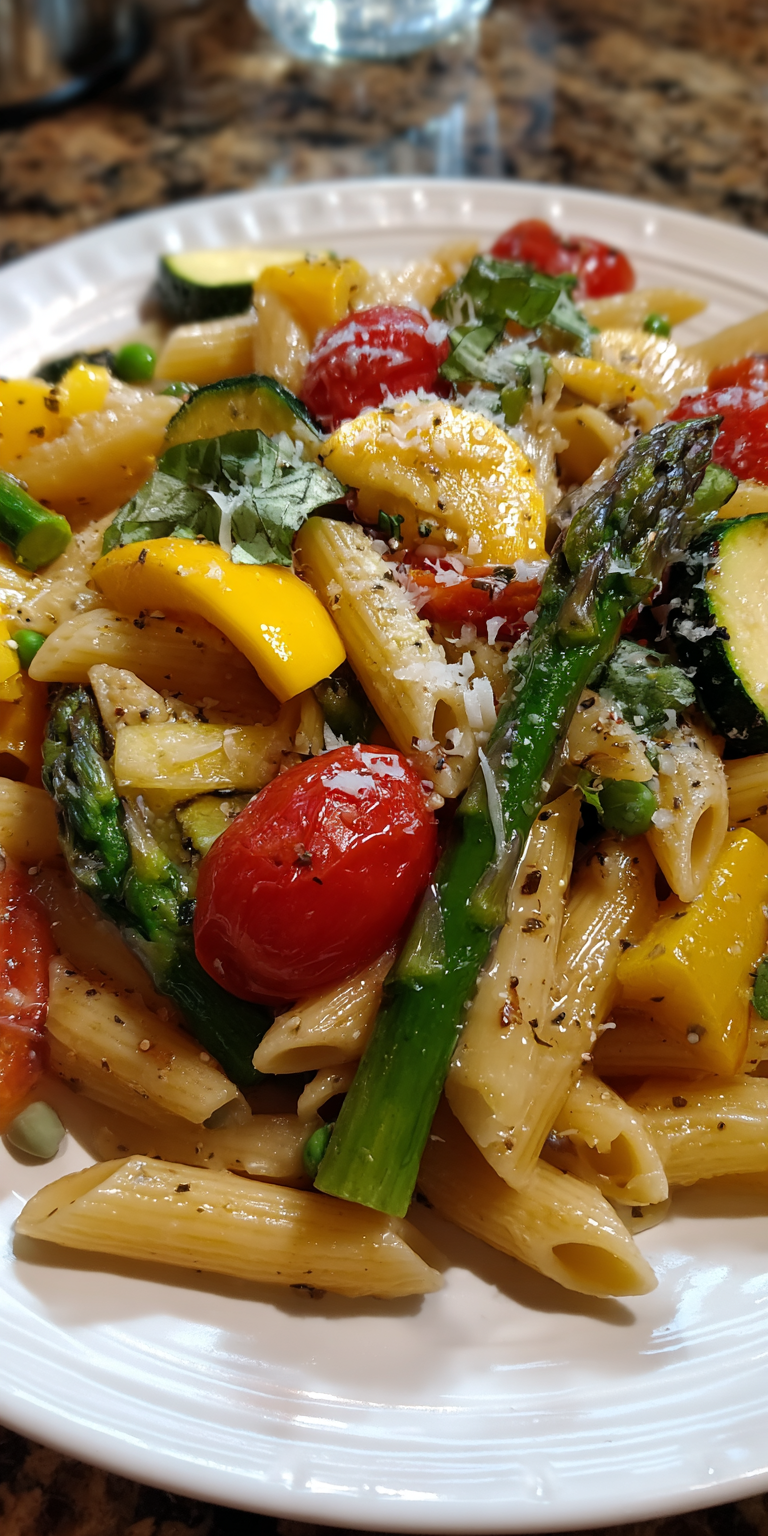
Ready to make a vegetarian dinner that actually tastes of the garden? Let me show you the secret.
Recipe Overview
This is my weeknight go-to, but done the right way. It’s fast, fresh, and full of flavor.
- Cuisine: Italian-Inspired
- Category: Vegetarian Dinner
- Prep Time: 15 minutes
- Cook Time: 20 minutes
- Total Time: 35 minutes
- Servings: 4
The Secret Ingredient That Makes All the Difference
It’s not in the bowl. It’s in the pan. The secret is dry-toasting your aromatics.
Most recipes have you sauté garlic in oil right away. That’s fine. But we’re going further.
Before any oil hits the pan, I toast my minced garlic and red pepper flakes in the dry, hot pan for 30 seconds.
This wakes up their essential oils. It gives a deeper, nuttier base to your primavera sauce that won’t turn bitter.
Why This Method is Better (My Pro-Tips)
My biggest tip? Cook your vegetables in stages, not all at once. Texture is everything here.
Dense veggies like asparagus go in first. Tender peas go in last. This keeps everything garden fresh and bright.
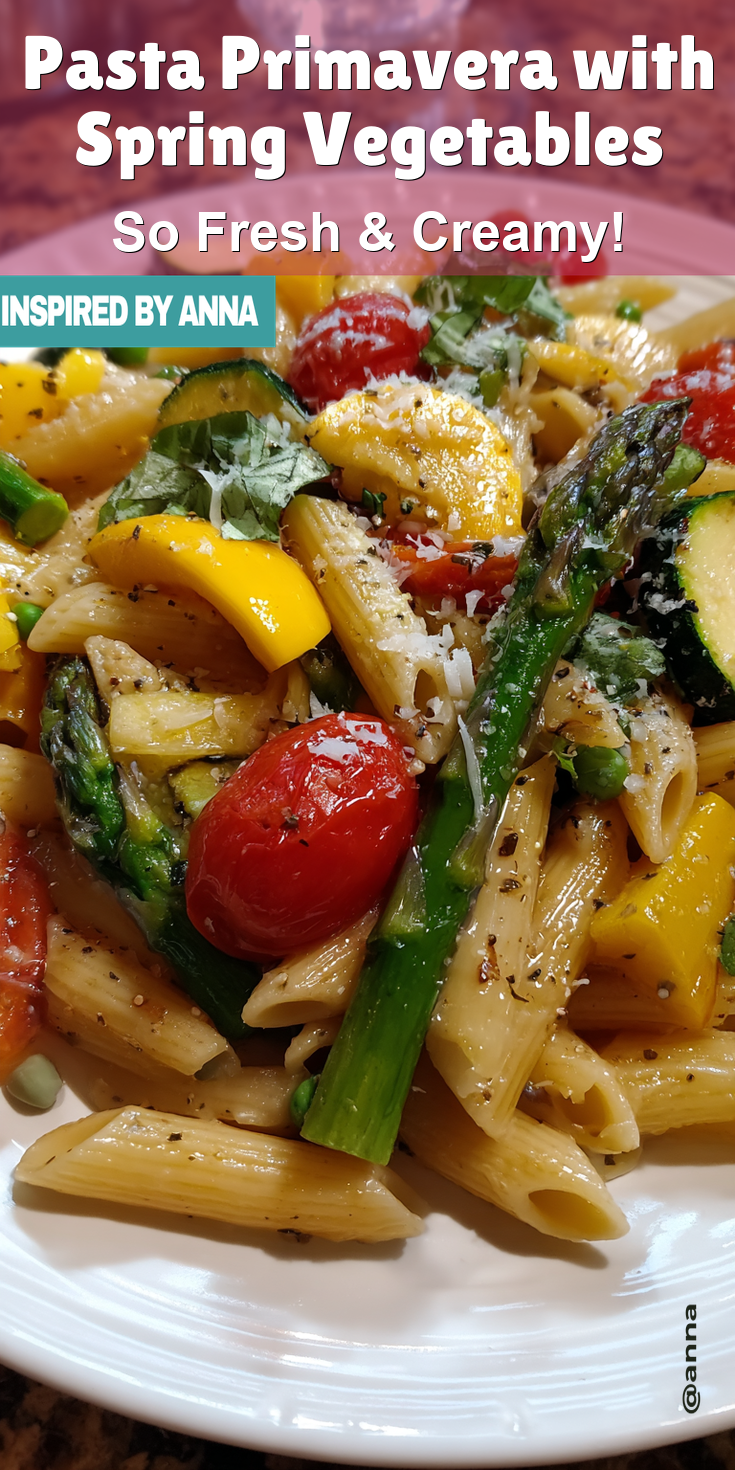
Pasta Primavera with Spring Vegetables Recipe
The “Upgraded” Ingredient List
The Pro-Method (Step-by-Step)
Notes
Enjoy your homemade Pasta Primavera with Spring Vegetables Recipe!
Also, never pour your pasta cooking water down the drain. That starchy liquid is magic.
It’s the key to a silky sauce that clings to every piece of penne pasta and every mixed vegetable. If you’re looking for more warm-weather meal inspiration, check out this full Spring and Summer Dinner menu.
The “Upgraded” Ingredient List
This list is about quality, not quantity. Each item has a job to do.
- 8 oz penne pasta (or a similar shape)
- 1 tbsp olive oil
- 3 cloves garlic, minced
- 1/4 tsp red pepper flakes
- 1 medium zucchini, sliced into half-moons
- 1 bunch asparagus, tough ends snapped, cut into 1-inch pieces
- 1 cup cherry tomatoes, halved
- 1 cup frozen peas (no need to thaw)
- 1/2 cup heavy cream or full-fat coconut milk for dairy-free
- 1/2 cup grated Parmesan cheese, plus more for serving
- 1/4 cup fresh basil, thinly sliced
- Salt and black pepper to taste
The Pro-Method (Step-by-Step)
Follow these steps in order. Trust the process.
- Bring a large pot of salted water to a boil. Cook the penne until al dente. Reserve 1 cup of pasta water before draining.
- While the pasta cooks, heat a large skillet or Dutch oven over medium heat. No oil yet.
- Add the minced garlic and red pepper flakes to the dry pan. Toast for 30 seconds until fragrant.
- Now, pour in the olive oil. Immediately add the zucchini and asparagus. Season with salt. Cook for 4-5 minutes until just tender.
- Add the cherry tomatoes and peas. Cook for 2 more minutes until the tomatoes soften.
- Pour in the heavy cream and 1/2 cup of the reserved pasta water. Bring to a simmer.
- Add the drained pasta and Parmesan cheese to the skillet. Toss everything together, adding more pasta water if needed to make a glossy sauce.
- Remove from heat. Stir in the fresh basil. Taste and adjust seasoning with salt and black pepper.
Common Mistakes & How to Fix Them
The first mistake is overcooking the vegetables. You want a bit of crunch.
If your veggies get too soft, pull them out of the pan next time. Add them back at the end with the pasta.
The second error is not salting your pasta water enough. It should taste like the sea.
This is your only chance to season the pasta itself. Don’t miss it.
Finally, a sauce that’s too thick or too thin. The fix is always your reserved pasta water.
Start with a 1/2 cup. You can always add more to loosen it up perfectly.
Variations for the Adventurous Cook
Got the basics down? Let’s play. Swap the penne for pappardelle or fusilli.
Different shapes hold the sauce in new ways. It changes the whole experience.
For the primavera sauce, try a spoonful of lemon zest or a splash of white wine with the cream.
You can also swap Parmesan for Pecorino Romano. It’s sharper and saltier.
For protein, white beans or crispy chickpeas folded in at the end are fantastic.
Nutrition Notes
This is a balanced, satisfying meal. Here’s a quick look per serving.
- Calories: ~450
- Protein: 16g
- Carbohydrates: 55g
- Dietary Fiber: 6g
- Note: Using coconut milk instead of cream makes this dish dairy-free.
Your Pro-Level Questions Answered
These are the questions my cooking students always ask.
Can I make this primavera ahead of time?
You can prep the vegetables ahead. But cook and assemble just before serving.
Reheated pasta can get mushy. The fresh texture is part of the magic.
What other spring vegetables work here?
Absolutely. Try sugar snap peas, thinly sliced fennel, or baby artichoke hearts.
The rule stays the same: cook firmer veggies first, tender ones last.
My sauce broke and looks greasy. What happened?
The heat was likely too high when you added the cream. It can separate.
Next time, keep it at a gentle simmer. A splash of fresh pasta water can often bring it back together.
A Few Final Secrets
The final touch is in the bowl. Always finish with a fresh drizzle of good olive oil.
Use your best bottle here. That peppery, fruity hit on top brightens every single bite.
And never, ever skip the fresh herb. Basil is classic, but mint or chives in spring are incredible.
This isn’t just tossing mixed vegetables with pasta. It’s building layers of flavor. If you love the combination of lemon and creamy cheese, you must try this bright and simple Lemon Ricotta Pasta next.
Now you have the real kitchen secrets. I want to hear how it turns out in your kitchen. Did the dry-toasting trick change the game for you? Share your results and your own twists in the comments below—and let me know if you’d give this recipe a 5-star rating!