You’ve made pickled eggs before. I know you have. But you’ve never made them like this. There’s one secret ingredient that changes everything, and I’m about to share it with you. It’s the same kind of simple, transformative trick that can elevate a classic comfort food like potato soup.
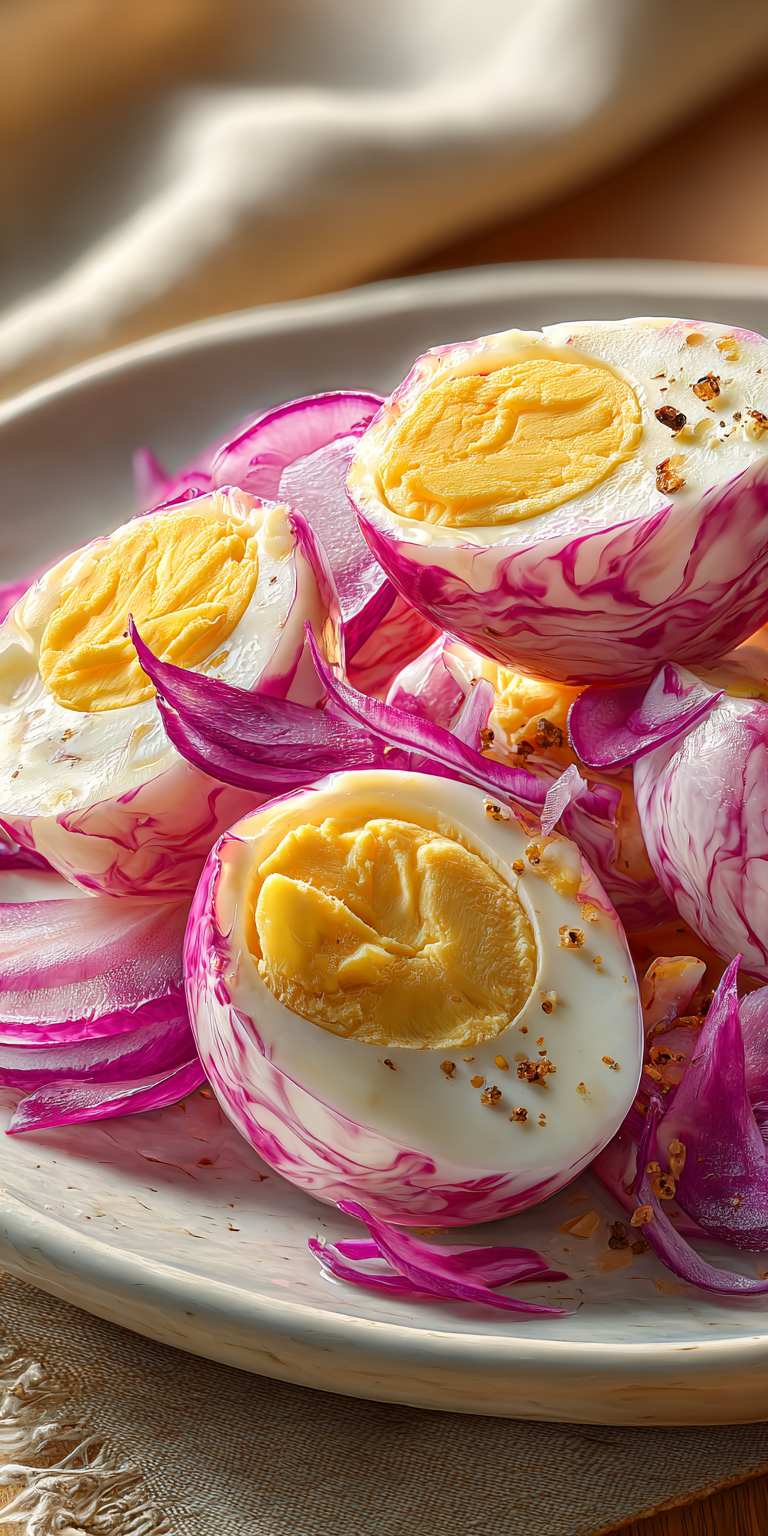
This recipe for Classic Pickled Eggs is the only one you’ll ever need. It’s the method I use in my own kitchen, and it gives you that perfect, firm-yet-tender white and a yolk that soaks up all that tangy, spiced brine.
We’re skipping the sugar, avoiding the cloudy jars, and getting pro-level flavor. Ready to find out what makes it so different? Let’s get started.
Recipe Overview
- Cuisine: American / Preservation
- Category: Appetizer, Snack, Condiment
- Prep Time: 15 minutes
- Cook Time: 15 minutes (for boiling eggs)
- Total Time: 30 minutes + 1 week pickling
- Servings: 12 pickled eggs
The Secret Ingredient That Makes All the Difference
I’ve tried every trick in the book. The real game-changer isn’t a fancy spice. It’s black tea. Just one plain black tea bag steeped right in the hot brine.
The tannins in the tea do something magical. They gently firm up the egg white’s protein. This gives you a much better texture that holds up for weeks in the jar. No more rubbery or mushy eggs. It’s my non-negotiable step.
Why This Method is Better (My Pro-Tips)
This isn’t just a “mix and pour” recipe. We’re building layers of flavor with technique. First, we bloom the whole spices in the vinegar. This wakes up their oils and makes the flavor pop.
Second, we pour the hot brine over the room-temperature eggs. A sudden temperature change can make the whites tough. Letting everything cool down together is key for that perfect, tender bite. These are my refrigerator pickled eggs, done right. It’s a foundational technique, much like building the rich, layered flavors in a great lasagna soup.
The “Upgraded” Ingredient List
- 12 large eggs, at room temperature
- 2 cups white vinegar (5% acidity)
- 1 cup water
- 1 black tea bag (any plain, unflavored kind)
- 2 bay leaves
- 1 tbsp black peppercorns
- 1 tbsp mustard seeds
- 1 tsp dill seeds (or 2-3 fresh dill sprigs)
- 1 tsp coriander seeds
- 1/2 tsp red pepper flakes (optional, for heat)
- 3-4 cloves garlic, lightly smashed
- 1 small onion, thinly sliced
The Pro-Method (Step-by-Step)
- Place your room-temperature eggs in a single layer in a pot. Cover with cold water by an inch. Bring to a full boil, then immediately cover and remove from heat. Let sit for 10 minutes exactly. Transfer to an ice bath to cool completely. Peel carefully.
- While the eggs cool, make the brine. In a non-reactive saucepan, combine the vinegar, water, tea bag, bay leaves, peppercorns, mustard seeds, dill seeds, coriander, and red pepper flakes. Bring just to a simmer over medium heat. Let it bubble gently for 5 minutes to infuse. Remove from heat and discard the tea bag.
- Pack your clean, glass jar. Start with some onion slices and garlic at the bottom. Gently add the peeled eggs. Tuck the remaining onion and garlic around them.
- Slowly pour the hot brine over the eggs, making sure they are completely submerged. Tap the jar gently on the counter to release any air bubbles.
- Let the jar cool completely on the counter, uncovered. Once it’s at room temperature, seal it with a lid. Your DIY pickled eggs now need time. Refrigerate them for at least one full week before tasting. Two weeks is even better.
Common Mistakes & How to Fix Them
Cloudy, Milky Brine: This usually means you poured boiling hot brine over cold eggs. The shock can make the proteins leach. Always let your boiled eggs come to room temperature after peeling, as we did here. If it happens, the eggs are still safe, but the look isn’t as nice.
Rubbery Egg Whites: You overcooked the eggs. That 10-minute steep after the boil is your timer. Don’t guess. Use the ice bath stop immediately. The tea helps, but it can’t fix an overcooked egg.
Weak Flavor: You didn’t wait long enough. I know it’s hard. But a few days isn’t enough for the flavor to penetrate to the yolk. Patience is part of the pickled egg brine recipe. Mark your calendar for one week minimum.
Classic Pickled Eggs Recipe
The “Upgraded” Ingredient List
The Pro-Method (Step-by-Step)
Notes
Enjoy your homemade Classic Pickled Eggs Recipe!
Variations for the Adventurous Cook
Once you master the classic, play with the formula. For a beet-pickled egg, add 1 cup of beet juice and a few sliced cooked beets to the jar. The color is stunning.
Love heat? Add 2-3 sliced jalapeños or a few dried arbol chiles to the brine. Swap the dill for a sprig of fresh tarragon for a lovely, anise-like note. The base method stays the same.
Nutrition Notes
- These are estimates per pickled egg.
- Calories: ~80
- Protein: 6g
- Fat: 5g
- Carbs: <1g (It’s a pickled eggs without sugar recipe)
- Sodium: Varies based on brine absorption.
Your Pro-Level Questions Answered
How long do homemade pickled eggs last?
When kept fully submerged in brine in a sealed jar in the fridge, they are at their best for 3-4 months. Always use a clean fork to remove them to prevent contamination.
Can I reuse the pickled egg brine?
I don’t recommend it for a new batch of eggs. The vinegar’s acidity drops after the first use. You can, however, use it as a fantastic marinade for chicken or a splash in potato salad.
Why do my eggs float in the jar?
A small air pocket forms in the egg as it pickles. It’s normal. Just make sure they start fully covered by brine. You can use a small, clean fermentation weight or a folded cabbage leaf to keep them down if it bothers you.
A Few Final Secrets
The best eggs for pickling are not the freshest ones. Eggs that are 7-10 days old peel much more easily after boiling. Plan ahead for this.
Label your jar with the date you made them. It’s easy to forget in the back of the fridge. And finally, slice them over a crisp green salad or serve them alongside a sharp cheddar for the perfect snack. They’re a fantastic protein-packed addition to any meal, similar to how a quick and easy taco soup can be a lifesaver on a busy weeknight.
Now you have all my secrets for the perfect pickle eggs recipe easy enough for anyone, but advanced enough for a pro. I want to hear from you. Did the black tea trick change the game for your pickled eggs in a jar? What variation did you try? Tell me all about it in the comments below—and let me know how they turned out!