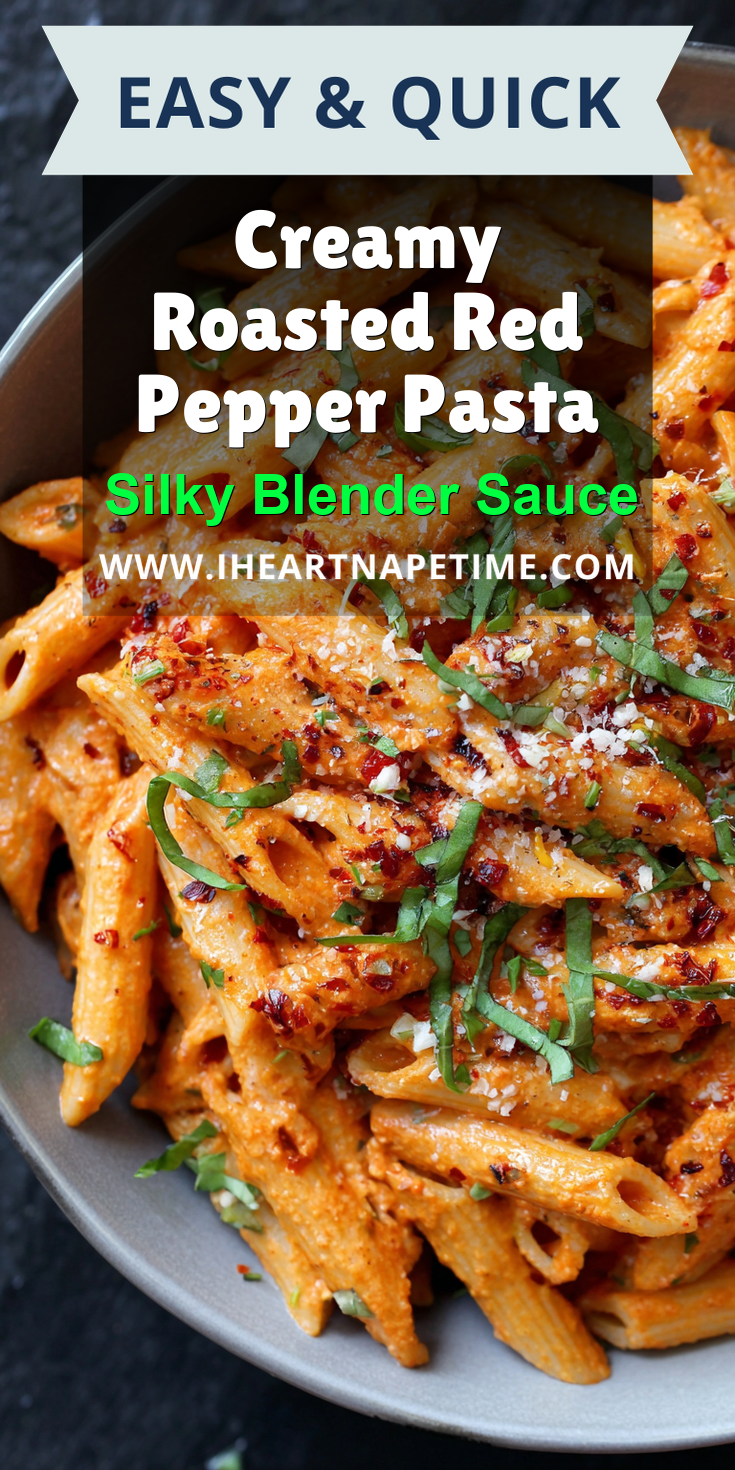
You’ve made roasted red pepper pasta before. I know you have.
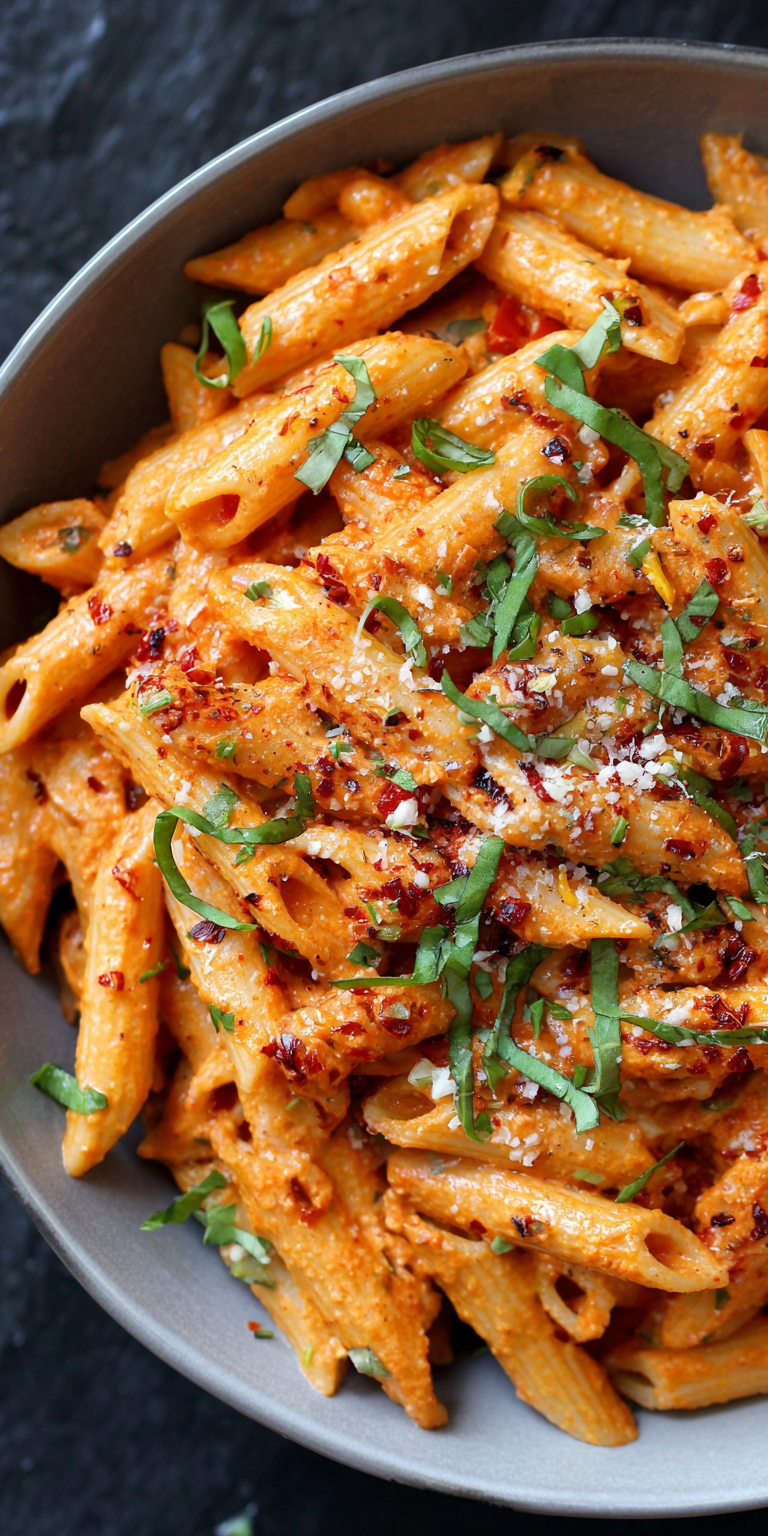
It was good. Maybe even great. But it was missing that deep, restaurant-quality magic. That silky, cling-to-every-strand sauce that makes you close your eyes.
I’m about to show you the one secret that bridges that gap. It’s not what you think, and it lives in your pantry right now. Ready to find out what it is? If you love the flavor of roasted red peppers, you should also try this Roasted Red Pepper & Cajun Potato Soup.
Recipe Overview
This is your blueprint for the best version of this dish. Bookmark this.
- Cuisine: Italian-Inspired
- Category: Main Course
- Prep Time: 10 minutes
- Cook Time: 35 minutes
- Total Time: 45 minutes
- Servings: 4
The Secret Ingredient That Makes All the Difference
I’ve tested everything. More cream, more cheese, more oil. Nothing worked perfectly.
The secret is a spoonful of tomato paste. You roast it right on the tray with your peppers and onions.
Why? It adds a concentrated hit of umami sweetness. It balances the bright acidity of the peppers. This one move gives your sauce a complex, cooked-all-day depth in under an hour. It’s the flavor anchor.
Why This Method is Better (My Pro-Tips)
Most recipes just tell you to blend roasted peppers with cream. We’re going further.
First, we char the vegetables properly. That blackened skin is pure flavor gold. Second, we use the blender to its full potential. We’re not just mixing; we’re emulsifying. We’ll create a sauce so smooth and stable it won’t separate.
Creamy Roasted Red Pepper Pasta Recipe
The “Upgraded” Ingredient List
The Pro-Method (Step-by-Step)
Notes
Enjoy your homemade Creamy Roasted Red Pepper Pasta Recipe!
Finally, we finish the pasta in the sauce. This is non-negotiable. It allows the noodles to drink up the flavor and release starch, which thickens the sauce naturally.
The “Upgraded” Ingredient List
Every item here has a job. Use the best you can find.
- 3 large red bell peppers, halved and seeded
- 1 medium yellow onion, quartered
- 4 cloves garlic, unpeeled
- 2 tbsp olive oil, divided
- 1 tbsp tomato paste
- 1/2 cup raw cashews, soaked in hot water for 15 minutes (see note for vegan option)
- 1/2 cup vegetable broth
- 1 tbsp nutritional yeast (optional, for cheesy flavor)
- 1 tsp smoked paprika
- 1/2 tsp crushed red pepper flakes (or to taste)
- 12 oz (340g) dried pasta like rigatoni or fettuccine
- Salt and freshly ground black pepper
- Fresh basil, for garnish
The Pro-Method (Step-by-Step)
Follow these steps in order. This is where the magic happens.
- Heat your oven to 425°F (220°C). On a large baking sheet, toss the pepper halves, onion quarters, and unpeeled garlic cloves with 1 tbsp olive oil. Arrange the peppers skin-side up.
- Drop little dollops of the tomato paste directly onto the baking sheet among the vegetables. This lets it roast and caramelize.
- Roast for 25-30 minutes until the pepper skins are completely blackened and blistered. Let the tray cool for 10 minutes.
- While the veggies roast, cook your pasta in well-salted water. Stop 2 minutes shy of the package’s “al dente” time. Reserve at least 1 1/2 cups of the starchy pasta water before draining.
- Peel the skins off the peppers and the paper off the garlic. They should slip right off. Transfer everything to a high-speed blender, including any juices and the roasted tomato paste from the tray.
- To the blender, add the soaked (and drained) cashews, vegetable broth, nutritional yeast, smoked paprika, red pepper flakes, the remaining 1 tbsp olive oil, and 1 tsp salt. Blend on high for a full 2-3 minutes until completely smooth and hot to the touch. This is the emulsification step.
- Pour the sauce into a large skillet or the pot you used for the pasta. Bring it to a gentle simmer over medium heat. It will thicken slightly.
- Add the drained, undercooked pasta to the sauce. Toss constantly, adding splashes of the reserved pasta water as needed. Cook for 2-3 minutes until the pasta is perfectly done and the sauce clings to it like a glossy jacket.
- Taste. Adjust with more salt, black pepper, or red pepper flakes. Serve immediately topped with fresh basil.
Common Mistakes & How to Fix Them
Even pros hit snags. Here’s how to solve them.
Problem: The sauce is too thin or watery. Fix: You didn’t blend long enough. Pour it back into the blender and let it run for another full minute. The friction heats and thickens it. You can also simmer it longer in the pan to reduce.
Problem: The sauce tastes flat or one-dimensional. Fix: You likely under-salted. Salt brightens all the vegetable flavors. Also, check your smoked paprika—it should be fresh and fragrant. A squeeze of fresh lemon juice at the end can also wake everything up.
Problem: The sauce separates or looks grainy. Fix: The emulsion broke, often from overheating too quickly or not enough blending fat. A splash of pasta water and vigorous tossing will usually bring it back together.
Variations for the Adventurous Cook
Mastered the base recipe? Let’s play.
Swap the cashews for 1/3 cup of heavy cream or mascarpone for a dairy version. It’s incredibly rich. For a completely plant-based twist, check out this Vegan Roasted Red Pepper & Cajun Potato Soup that uses similar smoky, creamy principles.
Add a teaspoon of miso paste to the blender. It introduces a savory, fermented complexity that’s unbelievable.
For a smoky kick, roast one of the peppers over an open gas flame until charred before putting it on the tray. That direct fire flavor permeates the whole dish.
Nutrition Notes
This isn’t just delicious food; it’s good for you. Here’s why.
- Vitamin Rich: Red peppers are packed with Vitamins A, C, and B6.
- Plant-Powered: The cashews provide healthy fats and protein, making this a satisfying vegan option.
- No Added Sugar: All sweetness comes naturally from the roasted vegetables.
- Fiber Full: Thanks to the peppers, onions, and whole-food sauce.
Your Pro-Level Questions Answered
These are the questions I get from cooks who pay attention to details.
Can I make the sauce ahead of time?
Absolutely. Blend the sauce and store it in the fridge for up to 3 days. Gently reheat it in a pan, adding a little broth or water to loosen it, before adding your freshly cooked pasta.
My blender isn’t high-speed. Will it work?
It will, but you need to help it. Soak your cashews longer (1-2 hours) and blend the sauce for an extra minute. Strain it through a fine-mesh sieve if you’re concerned about texture. It’s worth the upgrade to a powerful blender, though.
What’s the best pasta shape for this?
You want shapes that trap sauce. Rigatoni, penne, fusilli, or fettuccine are my top picks. They give the creamy sauce something to hold onto with every bite.
A Few Final Secrets
You have the recipe. Now, here’s the soul of it.
Always reserve more pasta water than you think you need. It’s liquid gold for adjusting sauces. Taste your sauce before it touches the pasta. Season it boldly in the pan.
Finally, let the dish rest for two minutes off the heat before serving. This lets the flavors marry and the sauce set just right. If you’re craving another creamy, comforting pasta dish with a different profile, you’ll love this Creamy Chicken Ranch Pasta with beef bacon.
Now, I’ve handed over my playbook. The secret is out. I want to hear from you. Did that tomato paste trick change the game? What variation did you try? Drop a comment below and tell me how it turned out. And if you loved it, share this with a friend who needs to know the secret!